Best CNC Torch Cutting Machines for Precision Metalwork
Finding the right CNC torch cutting machine can boost efficiency, accuracy, and project quality for shops of all sizes. This guide examines five popular options, focusing on non-HF pilot-arc and CNC-enabled models that pair well with standard CNC systems. We highlight key capabilities, compatibility, and practical use cases to help you compare performance, control, and maintenance requirements. Whether you’re cutting steel, aluminum, or copper, these units cover a range of voltages, thicknesses, and speeds to fit different workflows.
Summary of selected products:
| Product | Brand | Voltage/Power | Key Feature |
|---|---|---|---|
| bestarc IPTM60 CNC Plasma Cutting Torch | bestarc | 60A | Non-HF pilot arc; CNC adaptation |
| SHUANGBING Portable CNC Machine with THC | SHUANGBING WELDER | 110/220/240V | Oxyfuel and plasma; extensive cutting range |
| bestarc IPTM80 CNC Plasma Torch | bestarc | 80A | Non-HF pilot arc; CNC adaptability |
| LOTOS LTP5500DNC | LOTOS | 110V/220V | THC included; CNC enabled; portable |
| Generic Portable CNC Flame/Plasma Cutter | Generic | Varies by setup | Flame and plasma capable; broad range |
Bestarc IPTM60 Non-HF Plasma Cutting Torch

The IPTM60 torch is designed for compatibility with Bestarc cutting systems (BTC500XP, BTC650XP). It delivers up to 60 amps for steady, precise cuts. The Non-HF pilot arc minimizes interference with CNC controls, enabling smoother integration with CNC tables. Its blow-back pilot arc mechanism starts reliably and can adapt to CNC pilot arc plasma cutters, supporting stable operation in automated workflows. This torch supports standard 32 ft hose lengths for flexible handling in larger shops.
Key benefits include robust cutting consistency, simplified CNC wiring via familiar pilot-arc interfaces, and a design that accommodates retrofit onto existing CNC setups. It’s well suited for mid-thickness metal cutting where precision and control are priorities. Operators should ensure compatible air pressure and gating with their plasma power supply for repeatable results.
SHUANGBING WELDER Portable CNC Machine With THC
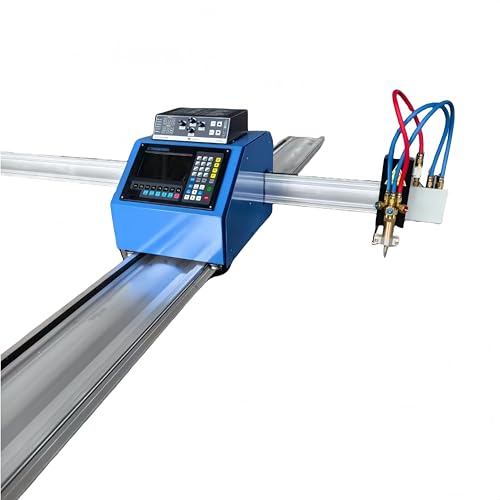
This portable CNC machine supports both oxyfuel and plasma cutting, offering a versatile setup for shops that require cutting across different methods. With a wide voltage tolerance (110/220/240V ±10%), it can handle varying electrical environments. The effective cutting range is expansive (59″ x 98″), and the X and Y track rails (84″ x 118″) provide solid travel for detailed work. Flame cutting thickness extends from 0.2 to 7.87 inches, with a maximum speed around 23.6 inches per minute. Options for propane, acetylene, natural gas, and oxygen enable diverse fuel choices for metal processing.
In real-world use, this unit shines for projects needing both plasma and flame capabilities in one machine. The track system supports larger workpieces, and the CNC interface can coordinate with compatible control software. Users should consider the availability of gas supplies and the maintenance needs of the track rails when planning long, uninterrupted cuts.
Bestarc IPTM80 Non-HF CNC Plasma Torch

The IPTM80 torch raises current capacity to 80 amps, making it suitable for heavier cuts on compatible Bestarc machines (BTC800XP). Like the IPTM60, it uses a Non-HF pilot arc to minimize interference with CNC systems and improve arc stability on CNC tables. The torch is designed for smooth, precise operation and easy integration into existing CNC workflows, with a blow-back pilot arc that reduces wear on metal surfaces during start-up. A 20 ft hose length provides flexibility for larger setups.
Applications include mid-to-heavy steel cutting with consistent performance. When planning a retrofit, ensure compatibility with your CNC controller, air supply, and the reflectivity of the workpiece. Regular maintenance of consumables and connectors helps preserve cutting quality over time.
Lotos Supreme LTP5500DNC Non-Touch CNC Torch

The LTP5500D offers a compact, portable solution with CNC-enabled THC and non-HF start. It’s designed for 110V/220V operation and weighs roughly 15 pounds, making it a practical choice for home workshops or light-duty projects. The unit features pre-installed CNC interface wiring and a central connector that simplifies setup. The non-HF blowback start minimizes interference with CNC computers while maintaining reliable arc initiation. A 14 ft torch helps streamline integration with standard plasma cutters.
Pros include easy setup, a ready CNC-ready interface, and strong portability for DIY tasks. Consider the electrical infrastructure of your shop and whether you need higher amperage for thicker materials. If you expect frequent long runs or harsher environments, extra protection and cooling can extend the device’s life.
Portable Flame/Plasma Cutting Machine (Generic)

This general-purpose unit combines flame (oxyfuel) cutting with plasma cutting, offering an effective range for versatile metalworking. The effective cutting range is about 1500 x 3000 mm, with flame cutting thickness of 6–150 mm. Plasma thickness depends on the plasma setup. This combination setup is beneficial for shops needing quick switching between flame and plasma modes for different materials and thicknesses. Operational considerations include gas and air control, coolant if applicable, and the compatibility of the plasma source with CNC control hardware.
LEHUNDI Torch Track Burner Cutting System

The LEHUNDI torch track burner is built from durable aluminum with 360 cm total track length (4 pieces of 90 cm). It supports thick steel cutting up to 4 inches with adjustable speeds from 6″ to 31.4″ per minute. The system emphasizes precision control through mechanical speed regulation, maintaining stable cuts in challenging conditions. An imported AC motor and built-in cooling fan support longer continuous operation. This setup is ideal for industrial applications like shipbuilding and construction where track-based consistency matters.
SILATU 65 Amp Non-HF CNC Plasma Cutter

The SILATU plasma cutter features blow-back pilot arc and non-HF design, optimized for CNC compatibility with 110V/220V inputs. It supports 3/5 inch clean cuts with a maximum 1 inch cut capability depending on settings. The unit includes 2-pin and 5-pin ports for arc voltage output and CNC signal control, facilitating integration with CNC cutting tables. An automatic voltage detection system ensures compatibility with different power supplies. This model is suitable for beginners and DIY users who are building a CNC cutting setup without high-frequency interference.
Buying Guide: Key Considerations for CNC Torch Cutting Machines
When selecting a CNC torch cutting machine, consider how the device will fit into your workflow, hardware, and power environment. The following perspectives cover essential factors and comparisons to help you decide.
- Arc type and compatibility: Non-HF (blow-back) pilot arc reduces interference with CNC systems. Ensure the torch offers CNC-ready connectors and 1:1 arc voltage output if you plan to link to a CNC controller.
- Voltage and current: Match the unit to your power supply and desired cutting thickness. Higher amperage enables thicker cuts but requires compatible equipment and ventilation.
- THC and CNC integration: Torch Height Control (THC) improves cut quality on CNC tables by maintaining consistent arc height. Confirm pre-installed CNC interfaces or the ease of retrofitting to your controller.
- Track and travel: If you work on large sheets, a stable track system with adequate length improves precision and reduces manual repositioning. Consider the rail dimensions, motor quality, and cooling.
- Fuel options (flame/oxyfuel): For flame cutting, review available gases ( propane, acetylene, natural gas) and how they align with your workshop gas supply and safety protocols.
- Portability and setup: Lightweight, portable units suit DIY settings, while heavier systems fit production environments. Assess the time to set up, connect hoses, air supply, and control cables.
- Maintenance and consumables: Inspect ease of replacement consumables (nozzles, tips) and recommended service intervals. Proper cooling and air filtration extend torch life.
- Safety and compliance: Ensure adequate ventilation, fire suppression readiness, and adherence to local codes for combustible gases and high-temperature cutting operations.
- Price vs. performance: Balance upfront cost with expected cutting throughput, accuracy, and long-term reliability. A slightly higher-priced unit with CNC-ready features can yield greater ROI in automated environments.
These considerations help you weigh CNC compatibility, cutting versatility, and total cost of ownership. Your choice should reflect the materials, thicknesses, and production pace you expect in daily operation.