Best CNC Turning and Milling Machine Options for Hobbyists and Small Shops
Looking for a reliable CNC turning and milling machine to cut wood, plastic, aluminum, or acrylic? This guide highlights five well-suited choices for hobbyists, makers, and small studios, with clear pros, limitations, and who each model serves best. Readers will find practical buying tips, quick comparisons, and a concise buying guide to help decide which machine fits their needs and space.
Summary table of selected products
| Product | Brand | Key Strength | Best For |
|---|---|---|---|
| Genmitsu PROVerXL 4030S CNC Router Machine | Genmitsu | 710W spindle, upgraded Z-axis, high precision | Wood, metal, acrylic projects with demanding cuts |
| Genmitsu CNC Router Machine 4040-PRO | Genmitsu | All-metal frame, robust control box, wide compatibility | Metal and hard plastics with reliable stability |
| TTC3018 Pro CNC Router Machine | Twotrees | All-metal Z-axis, high precision, compact | DIY nameplates, small parts, classroom use |
| ZHRUI Electroplated Mini Metal Milling Machine | ZR | High speed, all-metal construction, compact | Creative makers, tight spaces, light metal tasks |
| CNC Milling Machine Rotational Axis 4th Axis CNCTOPBAOS | CNCTOPBAOS | 4th axis with 4:1 reduction, versatile for engraving | Rotary work, cylinders, complex shapes |
Genmitsu PROVerXL 4030S CNC Router
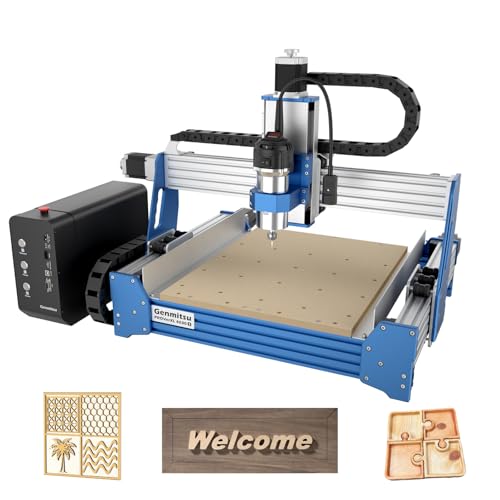
The Genmitsu PROVerXL 4030S stands out for industrial-grade stability and precision. It features an upgraded Z-axis linear guide and a robust frame to minimize tool deflection at higher speeds. The spindle is 710W, delivering stronger cutting power suitable for aluminum and acrylic. The machine accommodates a 130mm pass height, enabling taller objects and thicker materials. This model is best for serious hobbyists and light small-shop production where accuracy and material versatility matter. A potential limitation is the higher upfront investment compared with entry-level machines.
Who it’s best for: makers needing consistent, professional-grade results on wood, plastic, and metal in a compact workspace. Why selected: combines stability, power, and reach to handle a wider range of projects without frequent upgrade needs.
Caution: Ensure adequate ventilation and dust extraction when machining metals or composites, and verify compatibility with your preferred software workflow.
Genmitsu CNC Router Machine 4040-PRO
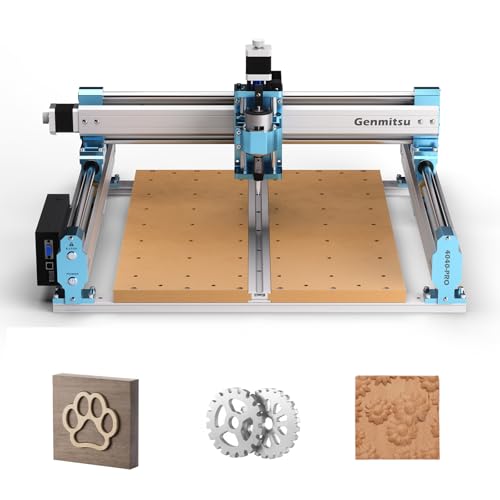
The 4040-PRO uses a sturdy all-metal frame, dual Y-axis rails, and an upgraded control box with essential safety features. It is compatible with a range of spindles, including 300W options, and ships with 42mm and 52mm spindle mounts, plus availability of larger options. This machine is ideal for users who want reliable stability for metal and hard plastics with versatile spindle mounting. Limitations include the need for more setup knowledge to maximize performance and potential extra investment for additional spindle options.
Who it’s best for: small workshops and serious hobbyists who require durability and expandability. Why selected: strong frame, modular spindle compatibility, and enhanced control features improve long-term usability.
Caution: Expect a longer setup time if you plan to swap spindles frequently or design complex multi-axis projects.
ZHRUI Electroplated Mini Milling Machine
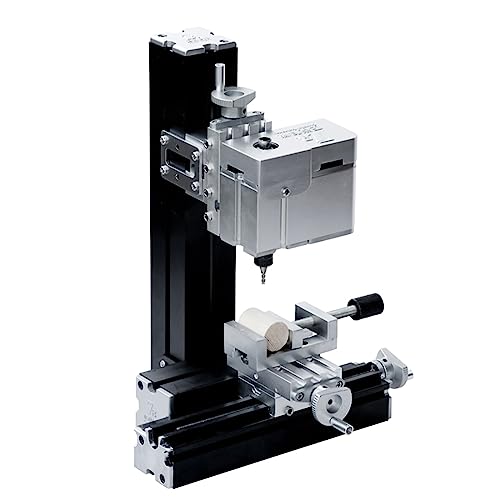
This mini milling machine from ZR emphasizes a fully metal construction with no plastic components in the main body. It features a high-power motor with up to 20,000 rpm and wide input voltage compatibility (110–240V). The compact design, 150mm X-axis travel, and 1–6mm chuck range make it a solid choice for tiny projects, jewelry, and small-scale prototyping. Best for: makers in tight spaces seeking a capable metalworking tool with robust construction. Limitation: limited work envelope may restrict larger parts and heavy-duty materials.
Who it’s best for: creative makers and educators who want a compact metal milling capability for small parts. Why selected: all-metal build and high-speed motor deliver solid performance in a small footprint.
CNCTOPBAOS 4th Axis Rotary Table

The CNCTOPBAOS 4th Axis kit adds a 4th axis with a 4:1 reduction ratio and a three-jaw chuck for precise rotary engraving and cylindrical work. It comes with a Nema17 stepper motor setup and a compact tailstock arrangement, making it suitable for expanding CNC routers into rotary applications. Best for: users who want to expand from 2D engraving to 3D and rotational projects. Caution: integration may require careful belt and control alignment for accurate rotation and synchronization with the main machine.
The five selections above address a range of needs from compact desktop setups to larger, more industrial-sounding hobby machines. Each option supports a mix of wood, plastics, and metals, with various levels of Z-axis strength, spindle power, and expansion potential. For buyers, consider the workspace, intended material, and whether future upgrades or rotary capabilities are important when choosing among these machines.
Buying Guide
What should I look for in a CNC router or milling machine?
- Work envelope and pass height: Ensure the machine can accommodate the largest parts you plan to run.
- Spindle power and torque: Higher wattage supports harder materials; consider aluminum and acrylic if needed.
- Frame and build quality: An all-metal frame with linear guides increases stability and precision, especially at higher speeds.
- Z-axis and repeatability: A rigid Z-axis and tight positional accuracy reduce tool deflection and improve finish.
- Expandability: Look for modular spindle mounts, extra rails, or a 4th axis if future projects require it.
- Software compatibility: Check whether your preferred CAM software is supported and whether GRBL or other firmware is compatible with your workflow.
- Footprint and workspace needs: Consider desk space, cabinet storage, and dust management for a comfortable setup.
Which machine fits beginner needs best?
For beginners, a compact desktop machine with good documentation and a straightforward setup is ideal. The TTC3018 Pro and ZHRUI mini mill offer approachable entry points for small, simple parts and classroom use, with room to grow into more complex projects as skills improve.
What about safety and maintenance?
Always follow safety guidelines for spindle operation, chip and dust management, and electrical connections. Regularly inspect belts, drive screws, and bearings. Dust collection and protective shielding help reduce debris and maintain visibility during operations.
Should I prioritize speed or precision?
Both matter, but for most hobby projects, a balance is best. Machines with upgraded Z-axis guides, rigid frames, and precision spindles deliver reliable results at reasonable speeds, minimizing tool wear and finishing work.
How important is 4th axis capability?
A 4th axis enables complex cylindrical, rotational, and symmetry work. If your projects include ornate vases, gears, or rotary engraving, a 4th-axis kit can be a worthwhile upgrade in a modular system like CNCTOPBAOS kits or multi-tool Genmitsu setups.
Common questions
- Q: Do these machines require advanced electronics knowledge?
- A: Basic electronics and software setup are typical; some models offer more guided assembly and troubleshooting than others.
- Q: Can I cut metal with these machines?
- A: Some machines support light metal milling with appropriate tooling and cooling; always verify spindle power and material-specific recommendations.
- Q: Is a 4th axis necessary for most projects?
- A: Not for every project, but it significantly expands capabilities for rotary work and complex geometries.
- Q: What maintenance is essential?
- A: Regular lubrication of lead screws and linear rails, belt tension checks, and spindle health monitoring are important for longevity and performance.
Frequently Asked Questions
- What should I consider to choose between 4040-PRO and PROVerXL 4030S?
- Is a desktop CNC router sufficient for aluminum work?
- How do I estimate the workspace and ventilation needs?
- Can these machines be used in a classroom setting?
- What accessories improve accuracy and ease of use?