Best High Temperature Refractory Bricks for Wood Stoves, Kilns, and Fire Pits
Looking for reliable high-temperature refractory bricks to handle intense heat in wood stoves, kilns, or pizza ovens? This guide highlights five top options, explaining who each brick is best for and why. Each product is selected for strong insulation, durability, and safe handling in high-heat environments. Whether you’re a DIY hobbyist, a professional metalworker, or a homeowner upgrading an outdoor fire pit, you’ll find a suitable choice here. The following summary helps compare key specs at a glance.
| Product | Ideal For | Key Benefit | Limitations |
|---|---|---|---|
| Firebricks, Food Grade Clay Fire Bricks (6 Pack) | Pizza ovens, wood stoves, outdoor fire pits | Food safe, 3,000°F rating, 0.75″ thick insulation | Includes six bricks; may be more brick than needed for small projects |
| Fire Bricks, Food Grade Firebricks (4-Pack) | Wood stoves, fireplaces, kilns | Compact 0.75″ thickness, strong insulation | Smaller quantity; plan for expansion if needed |
| Heavy Duty Refractory Fire Bricks for Forge (Pack of 2) | Forge and metalworking setups | Extra high temp capability for metalworking | Higher density; heavier to handle |
| Lynn Manufacturing Insulating Fire Brick (Single Pack) | Kilns, forges, furnaces | Low thermal conductivity, easy to shape | Single pack; may require duplicate orders for larger projects |
| SIMOND STORE Refractory Cement (5 lb) | Coating for ceramic fiber blankets in kilns/forges | Easy mixing and durable coating up to 3000°F | Not a brick on its own; used as coating |
Firebricks: Food Grade Clay Bricks, 6 Pack

Best for light-to-moderate high-heat applications where food safety is a concern. These bricks are designed to withstand up to 3,000°F, making them suitable for pizza ovens, smoking chambers, and outdoor wood-fired equipment. The bricks offer a flat, smooth surface that resists surface ash buildup and is easy to clean. They are also waterproof, enabling outdoor use without rapid degradation. This option is ideal for cooks and hobbyists who need reliable, food-safe heat containment in a compact six-pack.
Who it’s best for: home cooks expanding outdoor ovens or smokers who value food safety and cleanability. Why chosen: combination of 3,000°F resistance, food-safe clay composition, and easy maintenance. Caution: surface care is important; improper cleaning can cause surface buildup that affects fit in smaller enclosures.
Fire Bricks: Food Grade Firebricks 4 Pack

Best for compact projects needing reliable insulation with a quick setup. This 4-pack provides a balance between quantity and portability, suitable for wood stoves and small fireplaces. The insulating properties support efficient fuel use. Caution: ensure you have evenly thick layers to prevent heat gaps that could reduce performance.
Heavy Duty Refractory Fire Bricks For Forge
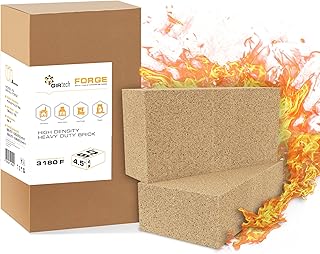
Best for professional or serious hobby metalworking environments needing solid, high-temp endurance. This pack emphasizes density and heat tolerance for forge use, kiln work, and metal melting tasks. Choose this if you require reliability at extreme temperatures. Caution: heavier bricks mean more effort during handling and installation.
Lynn Insulating Fire Brick (Single Pack)

Best for projects where low thermal conductivity and light weight are priorities. The brick is easy to shape, making it suitable for kilns, forges, and soldering blocks used in jewelry casting and related crafts. This single-pack option suits smaller builds or replacement in one area of a larger setup. Limitation: if you’re building a larger chamber, you may need multiple bricks to ensure complete coverage and insulation.
SIMOND STORE Refractory Cement
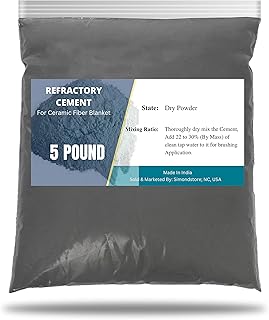
Best for coating ceramic fiber blankets in kilns, forges, and smelting furnaces. Designed to withstand temperatures up to 3,000°F, this cement provides a durable, protective layer and is easy to apply by mixing with water. It’s a practical option when a brick-only solution isn’t feasible or when you need to seal joints and improve overall heat retention. Caution: only as a coating; not a substitute for brick in all applications.
Buying Guide: Key Considerations For High-Temperature Refractory Bricks
- Temperature rating: Match the maximum operating temperature of your project (often up to 3,000°F) with brick capabilities.
- Thermal conductivity: Lower k-values mean better insulation and fuel efficiency. Consider brick density and weight for portability.
- Dimensions and thickness: Thicker bricks provide better insulation but require more space. Ensure compatibility with your enclosure.
- Food safety considerations: If cooking or food contact is involved, opt for food-grade materials as highlighted in select bricks.
- Ease of handling: Lighter bricks are simpler to install but may trade off some insulation strength.
- Single-pack vs multi-pack: For larger builds, plan multiple packs to achieve uniform insulation and fit.
- Application method: Bricks vs coatings—cements offer an alternative path for restoring or extending insulation in irregular spaces.
Frequently Asked Questions
- What temperature can refractory bricks safely withstand? Most high-temperature bricks are rated up to 3000°F, suitable for kilns, forge work, and pizza ovens.
- When should I use bricks versus refractory cement? Bricks are best for forming walls and chambers; cement coatings are ideal for sealing and reinforcing insulation on irregular surfaces or fiber blankets.
- Are food-grade bricks necessary for cooking devices? Yes, if direct contact with food or cooking surfaces is expected. They reduce contamination risk and support safer cooking environments.
- Can I mix brick packs from different brands? Mixing packs is possible if dimensions and thickness align; ensure uniform insulation across the surface.
- Is heavier brick always better? Not necessarily. Heavier bricks often indicate higher density and heat retention but may be harder to install; balance the needs of your project.
- What installation considerations matter? Plan for even thickness, proper fit to avoid gaps, and secure placement to prevent shifting during high heat.