Best Pipe Profile Cutting Machines and Tools for Precise Pipe Work
The best pipe profile cutting machines for professional results are those that combine reliable cutting performance with ease of use for a range of pipe sizes and materials. This guide highlights five top options, each suited for different buyers—from shop-based fabricators to on-site installers. The summary table below helps you compare core capabilities at a glance.
| Product | Best For | Key Benefit |
|---|---|---|
| VEVOR CG2-11Y Manual Pipe Cutting Machine | Industrial fabrication and field work | Wide diameter and thickness range with adjustable angles |
| PreAsion 0.6″-8.7″ Pipe Cutting Machine | Lightweight, portable deep-cutting | Cold, burr-free cutting for multiple materials |
| RIDGID 93492 Copper Cutting and Prep Machine | Copper and stainless prep with deburring | Integrated reamer and brush for clean joints |
| JCTLIYXG Multi Surface Pipe Profiling Tool | Precision contouring and saddle creation | Flexible, modular mold for various pipe shapes |
| Giyochie Inside Pipe Cutter for PVC | Inside-cutting for flush ends and tight spaces | Internal cutting with adjustable depth and blades |
VEVOR CG2-11Y Manual Pipe Cutting Machine

The VEVOR CG2-11Y is a manual pipe beveling cutter designed for pipes 4.25 to 24 inches in diameter and 0.2 to 2 inches thick. An 87-inch chain secures the torch cutter to the pipe during operation, with adjustable tension for various diameters. This model includes three cutting tips (propane variants) to adapt to different thicknesses and material conductivities. Best for on-site pipe beveling where a wide size range and adjustable chain setup are needed. A limitation to note is that it relies on manual operation, which may affect throughput in high-volume shops.
PreAsion 0.6″-8.7″ Pipe Cutting Machine
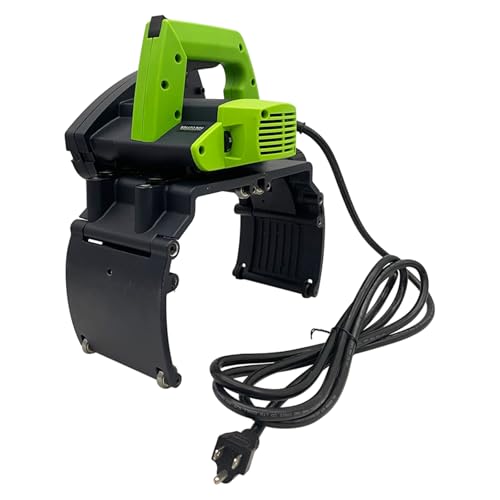
The PreAsion pipe cutting machine covers 0.6 to 8.7 inches in diameter, operates at 110V, and features a compact, portable design with adjustable speed. It emphasizes cutting accuracy through non-slip wheels and an eccentric wheel, reducing material loss. A protective cover improves safety by containing debris and splashes. This model suits users who need a portable, electric option for plastic and metal pipes with a focus on burr-free cuts and controlled depth. A potential limitation is that it is less suitable for very large diameters beyond 8.7 inches.
RIDGID 93492 Copper Cutting and Prep Machine

RIDGID 93492 provides a dedicated solution for copper tubing and fittings (Types K, L, M) and also handles stainless steel tubing with up to 0.065-inch wall thickness. It combines a rugged aluminum housing with a 1/3 HP induction motor for durability and portability. Included features like a reamer and brush help create clean joints. This option is best for professionals who frequently work with copper and require integrated deburring and cleaning capabilities. A limitation is that it remains more specific to copper and stainless steel rather than a broad range of plastics.
JCTLIYXG Multi Surface Pipe Profiling Tool

The JCTLIYXG tool offers multi-surface shaping with precision for pipes, tiles, floors, and metals. It uses rugged ABS rods reinforced with fiberglass and rubber end caps for durability and stability, with detachable pins to adapt to various pipe sizes. Best for fabrication tasks requiring accurate contour capture and the ability to transfer designs for saddle cutting. A caveat is that detailed setup requires careful alignment to achieve precise results on complex shapes.
Giyochie Inside Pipe Cutter for PVC

The Giyochie inside pipe cutter is designed for cutting PVC pipes from the inside, with an 11-inch removable guide bar and adjustable cutting depth up to 7 inches. It includes a diamond grit cutting wheel and multiple blades to tackle different pipe sizes. Best for renovations or installations where exterior access is restricted and internal cutting is required. A limitation is that it requires external power (drill or impact driver not included) and precise alignment to avoid wall damage.
Buying Guide: Key Purchase Considerations
- Pipe size range: Confirm the maximum and minimum diameters the tool can handle. Wider ranges reduce the need for multiple tools.
- Material compatibility: Some tools are optimized for copper, PVC, steel, or stainless steel. Match to your typical projects.
- Power source: Manual vs. electric vs. pneumatic. Manual offers portability; electric or pneumatic increases speed and consistency.
- Cut quality and burr control: Look for burr-free cuts and built-in deburring or finishing options when possible.
- Safety features: Protective covers, anti-splash designs, and stable fixtures help reduce accidents during cutting.
- Setup and alignment: Tools with adjustable guides, pins, and contours provide more accurate profiles but may require time to dial in.
- Portability and workflow: On-site work benefits from lighter, compact units; workshop use benefits from robust, motorized options.
FAQ
- What is the typical range of pipe diameters these tools cover? Most options listed cover from about 0.6 inches up to 8.7 inches, with some models handling larger diameters for specific tasks.
- Do these tools require specialized power sources? Some are manual, others electric or pneumatic. Choose based on job site power availability and desired speed.
- Can internal pipe cutters damage surrounding walls? Internal cutters like the Giyochie model minimize wall exposure by cutting from inside the pipe toward the end.
- Is burr-free cutting guaranteed? Burrs depend on tool design and blade quality; many models include burr-reducing features or deburring options.
- Which tool is best for copper pipe prep? The RIDGID 93492 is designed for copper and stainless prep, including cleaning and burr removal for joints.
- Should I buy a multi-surface profiling tool? If you work with varied pipe shapes and saddle cuts, a profiling tool like the JCTLIYXG can save time by transferring contours accurately.