Best Self Priming Dewatering Pumps for Quick Water Removal and Irrigation
Answering the demand for reliable, self-priming dewatering pumps, this guide highlights five top options for American buyers. These pumps are ideal for lawn irrigation, water transfer, emergency drainage, and small-scale dewatering tasks. The best fit depends on your lift, flow needs, and whether you prefer electric or gas-powered models. The table below compares key specs to help you choose at a glance.
| Product | Type | Best For | Notes |
|---|---|---|---|
| GOULDS GT15 IRRI-Gator | Electric, 1.5 hp | Residential lawns, light dewatering | Self-priming, FDA compliant impeller |
| GOULDS GT20 IRRI-Gator | Electric, 2 hp | Irrigation and water transfer | Built-in overload, 1 1/2″ ports |
| Miory GT15 Self-Priming | Electric, 1.5 hp | Versatile everyday pumping | Corrosion-resistant housing |
| Pacer SE2PL E5.5 | Electric, 5.5 hp | Higher flow transfer | 2″ ports, 150 GPM |
| Pacer CX208 SE2UL | Electric, 8.0 hp equivalent engine | Heavy-duty transfer | 2″ ports, 200 GPM |
GOULDS GT15 IRRI-Gator Self-Priming Pump

The GOULDS GT15 IRRI-Gator is a compact, electric self-priming centrifugal pump designed for light dewatering and irrigation tasks. It uses a 1.5 hp motor and a self-priming design to start quickly after priming. Best for homeowners needing a dependable, low-maintenance unit for lawn sprinkler systems or small-scale water transfer. The design emphasizes serviceability and an FDA-compliant impeller for safe handling of potable water scenarios.
Who this is for: homeowners seeking a straightforward, budget-conscious option for yard irrigation, drainage around foundations, or temporary water transfer. Why selected: combines self-priming capability with easy maintenance and compatible impeller materials. Caution: do not run dry for extended periods; prolonged dry operation can stress the pump.
GOULDS GT20 IRRI-Gator Self-Priming Pump

The GT20 is a step up from the GT15, featuring a 2 hp motor and 1 1/2″ NPT suction and discharge connections. It’s well-suited for lawn irrigation, water transfer, and dewatering in slightly larger properties or jobs with higher flow needs. The built-in overload with automatic reset adds a layer of protection during surges, making it a robust choice for everyday use.
Who this is for: homeowners or small-acreage users who need more flow than the GT15 without stepping into a heavy-duty engine. Why selected: higher horsepower translates to better performance under load, while preserving the self-priming convenience. Caution: ensure electrical supply is rated for 230V and sized for continuous duty if used extensively.
Miory GT15 Self-Priming Centrifugal Pump

The Miory GT15 offers a corrosion-resistant cast iron housing and a self-priming design with an enclosed impeller directly threaded to the motor shaft for stable operation. It is compatible with typical single-phase centrifugal pump setups and emphasizes durability for long-term use in irrigation, water transfer, and general dewatering tasks. It is positioned as a value-forward alternative to OEM-brand units.
Who this is for: buyers wanting a durable pump with robust construction and a practical price point for regular dewatering tasks. Why selected: durable housing and reliable prime performance with straightforward maintenance. Caution: verify voltage compatibility (230V vs 115V) before install, and check that the installation fits 1 1/2″ hose connections.
Pacer SE2PL E5.5 Multi-Purpose Pump
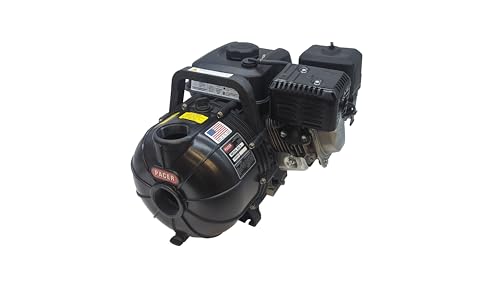
This Pacer SE2PL E5.5 model offers 2″ suction and discharge ports with a flow up to 150 GPM. It is suitable for moderate water transfer, garden irrigation, and other multi-purpose tasks where reliable self-priming performance is valuable. The 2″ ports improve throughput for faster handling of larger volumes. It’s a practical choice when higher daily water movement is required than smaller electric units provide.
Who this is for: property owners needing a capable electric pump for frequent water movement and medium-duty dewatering. Why selected: reasonable balance of capacity and size for residential or small commercial use. Caution: ensure power supply and wiring can support sustained high-current operation; overheating is possible if run times are long without duty cycle consideration.
Pacer CX208 SE2UL Self-Priming Pump with 200 GPM

The Pacer CX208 SE2UL is a high-capacity self-priming pump designed for heavy-duty transfer tasks. It features 2″ suction and discharge ports and up to 200 GPM, with a max TDH of 120 ft. This makes it suitable for larger yards, construction sites, or farm-scale water transfer where rapid movement of water is required. A built-in check valve supports reliable operation in varied piping layouts.
Who this is for: users needing strong, steady flow for larger volumes or longer runs. Why selected: high GPM and 2″ ports provide efficient handling of substantial water loads. Caution: ensure a compatible engine or motor setup is used if this is a gas-powered variant; confirm inlet water supply can sustain the pump’s suction lift requirements.
Buying Guide
- Purpose and flow: Match pump horsepower and GPM to your typical task—smaller yards and light dewatering benefit from 1.5–2 hp electric pumps, while larger jobs demand 5–8 hp or higher.
- Port size and connections: 1 1/2″ or 2″ ports are common. Larger ports move more water but require correspondingly larger hoses and fittings.
- Electrical considerations: Verify voltage (115V vs 230V) and amperage. Continuous operation requires appropriate circuit capacity and cooling periods to avoid overheating.
- Self-priming reliability: Look for enclosed impellers and corrosion-resistant housings for durability in varied environments and water quality.
- Protection features: Overload protection, dry-run safeguards, and water-shortage protection can extend pump life in unpredictable conditions.
- Maintenance accessibility: Pumps advertised as fully serviceable typically offer easier seals, gaskets, and impeller access for DIY maintenance.
FAQ
- What is self-priming, and why is it important for dewatering?
Self-priming means the pump can create suction and start pumping without manual priming, which speeds up setup after a stoppage or pause. It’s essential for rapid water removal in basements, ponds, and low-water areas. - How do I choose the right GPM for my job?
Estimate the total water volume and required withdrawal rate. For small leaks or light irrigation, 100–150 GPM may suffice; for larger areas, 150–200 GPM or more is advisable. - Can these pumps handle dirty water?
Many self-priming models are designed for clean or lightly dirty water. If you expect debris, select a model with a robust impeller and consider a filtration screen or pre-filter. - What maintenance is typical for these pumps?
Regularly inspect seals, lubricate bearings if applicable, clean the intake screen, and verify that electrical connections remain secure. Shut off power before servicing. - Is a gas-powered option better than electric for dewatering?
Gas-powered units offer mobility and higher peak power but require fuel and emit exhaust. Electric models are quieter, cleaner, and suitable for many residential tasks, especially near structures.